• About the Authors
  • Blogs and Shows
  • Journals
  • Open Invitation
  • References
  • Resources
  • Taxonomy
  • Who’s Who?

Media Psychology

~ Informing, Educating and Influencing

Media Psychology

Author Archives: Donna L. Roberts, PhD

Smart Phone, Lazy Brain

15 Monday Apr 2019

Posted by Donna L. Roberts, PhD in Psychology

≈ Comments Off on Smart Phone, Lazy Brain

We still call them “phones,” but they are seldom used for talking. They have become like a substitute for memory—and other brain functions. Is that good for us in the long run?
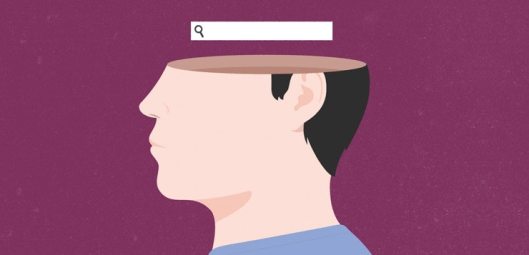
Illustration by Edmon Haro

Source: Smart Phone, Lazy Brain

BY SHARON BEGLEY

You probably know the Google Effect: the first rigorous finding in the booming research into how digital technology affects cognition. It’s also known as digital amnesia, and it works like this: When we know where to find a piece of information, and when it takes little effort to do so, we are less likely to remember that information. First discovered by psychologist Betsy Sparrow of Columbia University and her colleagues, the Google Effect causes our brains to take a pass on retaining or recalling facts such as “an ostrich’s eye is bigger than its brain” (an example Sparrow used) when we know they are only a few keystrokes away.

“Because search engines are continually available to us, we may often be in a state of not feeling we need to encode the information internally,” Sparrow explained in her 2011 paper. “When we need it, we will look it up.” Storing information requires mental effort—that’s why we study before exams and cram for presentations—so unless we feel the need to encode something into a memory, we don’t try. Result: Our recollection of ostrich anatomy, and much else, dissipates like foam on a cappuccino.

It’s tempting to leap from the Google Effect to dystopian visions of empty-headed dolts who can’t remember even the route home (thanks a lot, GPS), let alone key events of history (cue Santayana’s hypothesis that those who can’t remember history are doomed to repeat it). But while the short-term effects of digital tech on what we remember and how we think are real, the long-term consequences are unknown; the technology is simply too new for scientists to have figured it out.

People spend an average of 3 to 5 minutes at their computer working on the task at hand before switching to Facebook or other enticing websites.

Before we hit the panic button, it’s worth reminding ourselves that we have been this way before. Plato, for instance, bemoaned the spread of writing, warning that it would decimate people’s ability to remember (why make the effort to encode information in your cortex when you can just consult your handy papyrus?). On the other hand, while writing did not trigger a cognitive apocalypse, scientists are finding more and more evidence that smartphones and internet use are affecting cognition already.

The Google Effect? We’ve probably all experienced it. “Sometimes I spend a few minutes trying hard to remember some fact”—like whether a famous person is alive or dead, or what actor was in a particular movie—“and if I can retrieve it from my memory, it’s there when I try to remember it two, five, seven days later,” said psychologist Larry Rosen, professor emeritus at California State University, Dominguez Hills, who researches the cognitive effects of digital technology. “But if I look it up, I forget it very quickly. If you can ask your device any question, you do ask your device any question” rather than trying to remember the answer or doing the mental gymnastics to, say, convert Celsius into Fahrenheit.

“Doing that is profoundly impactful,” Rosen said. “It affects your memory as well as your strategy for retrieving memories.” That’s because memories’ physical embodiment in the brain is essentially a long daisy chain of neurons, adding up to something like architect I.M. Pei is alive or swirling water is called an eddy. Whenever we mentally march down that chain we strengthen the synapses connecting one neuron to the next. The very act of retrieving a memory therefore makes it easier to recall next time around. If we succumb to the LMGTFY (let me Google that for you) bait, which has become ridiculously easy with smartphones, that doesn’t happen.

To which the digital native might say, so what? I can still Google whatever I need, whenever I need it. Unfortunately, when facts are no longer accessible to our conscious mind, but only look-up-able, creativity suffers. New ideas come from novel combinations of disparate, seemingly unrelated elements. Just as having many kinds of Legos lets you build more imaginative structures, the more elements—facts—knocking around in your brain the more possible combinations there are, and the more chances for a creative idea or invention. Off-loading more and more knowledge to the internet therefore threatens the very foundations of creativity.

Besides letting us outsource memory, smartphones let us avoid activities that many people find difficult, boring, or even painful: daydreaming, introspecting, thinking through problems. Those are all so aversive, it seems, that nearly half of people in a 2014 experimentwhose smartphones were briefly taken away preferred receiving electric shocks than being alone with their thoughts. Yet surely our mental lives are the poorer every time we check Facebook or play Candy Crush instead of daydream.

But why shouldn’t we open the app? The appeal is undeniable. We each have downloaded an average of nearly 30 mobile apps, and spend 87 hours per month internet browsing via smartphone, according to digital marketing company Smart Insights. As a result, distractions are just a click away—and we’re really, really bad at resisting distractions. Our brains evolved to love novelty (maybe human ancestors who were attracted to new environments won the “survival of the fittest” battle), so we flit among different apps and websites.

As a result, people spend an average of just three to five minutes at their computer working on the task at hand before switching to Facebook or another enticing website or, with phone beside them, a mobile app. The most pernicious effect of the frenetic, compulsive task switching that smartphones facilitate is to impede the achievement of goals, even small everyday ones. “You can’t reach any complex goal in three minutes,” Rosen said. “There have always been distractions, but while giving in used to require effort, like getting up and making a sandwich, now the distraction is right there on your screen.”

The mere existence of distractions is harmful because resisting distractions that we see out of the corner of our eye (that Twitter app sitting right there on our iPhone screen) takes effort. Using fMRI to measure brain activity, neuroscientist Adam Gazzaley of the University of California, San Francisco, found that when people try to ignore distractions it requires significant mental resources. Signals from the prefrontal cortex race down to the visual cortex, suppressing neuronal activity and thereby filtering out what the brain’s higher-order cognitive regions have deemed irrelevant. So far, so good.

The problem is that the same prefrontal regions are also required for judgment, attention, problem solving, weighing options, and working memory, all of which are required to accomplish a goal. Our brains have limited capacity to do all that. If the prefrontal cortex is mightily resisting distractions, it isn’t hunkering down to finish the term paper, monthly progress report, sales projections, or other goal it’s supposed to be working toward. “We are all cruising along on a superhighway of interference” produced by the ubiquity of digital technology, Gazzaley and Rosen wrote in their 2016 book The Distracted Mind. That impedes our ability to accomplish everyday goals, to say nothing of the grander ones that are built on the smaller ones.

The constant competition for our attention from all the goodies on our phone and other screens means that we engage in what a Microsoft scientist called “continuous partial attention.” We just don’t get our minds deeply into any one task or topic. Will that have consequences for how intelligent, creative, clever, and thoughtful we are? “It’s too soon to know,” Rosen said, “but there is a big experiment going on, and we are the lab rats.”

Tech Invasion LMGTFY

“Let me Google that for you” may be some of the most damaging words for our brain. Psychologists have theorized that the “Google Effect” causes our memories to weaken due merely to the fact that we know we can look something up, which means we don’t keep pounding away at the pathways that strengthen memory. Meanwhile, research suggests that relying on GPS weakens our age-old ability to navigate our surroundings. And to top it all off, the access to novel info popping up on our phone means that, according to Deloitte, people in the US check their phones an average of 46 times per day—which is more than a little disruptive.

Sharon Begley is a senior science writer with The Boston Globe Media Group, author of Train Your Mind, Change Your Brain, and coauthor with Richard Davidson of The Emotional Life of Your Brain. She writes a regular column for Mindful magazine called Brain Science.

Share this:

  • Email a link to a friend (Opens in new window) Email
  • Print (Opens in new window) Print
  • Share on Facebook (Opens in new window) Facebook
  • Share on LinkedIn (Opens in new window) LinkedIn
  • Share on Pinterest (Opens in new window) Pinterest
  • Share on Reddit (Opens in new window) Reddit
  • Share on X (Opens in new window) X
  • Share on Tumblr (Opens in new window) Tumblr
Like Loading...

We know what will make us happy, why do we watch TV instead?

08 Monday Apr 2019

Posted by Donna L. Roberts, PhD in Psychology

≈ Comments Off on We know what will make us happy, why do we watch TV instead?

Do we know instinctively what kind of activities are conducive to lasting happiness? If so, why don’t more of us do them more often? By Christian Jarrett

Source: We know what will make us happy, why do we watch TV instead?

By Christian Jarrett

The luxury microwave meal was delicious, the house is warm, work’s going OK, but you’re just not feeling very happy. Some positive psychologists believe this is because many of us in rich, Western countries spend too much of our free time on passive activities, like bingeing on Netflix and browsing Twitter, rather than on active, psychologically demanding activities, like cooking, sports or playing music, that allow the opportunity to experience “flow” – that magic juncture where your abilities only just meet the demands of the challenge. A new paper in the Journal of Positive Psychology examines this dilemma. Do we realise that pursuing more active, challenging activities will make us happier in the long-run? If so, why then do we opt to spend so much more time lazing around engaged in activities that are pleasant in the moment, but unlikely to bring any lasting fulfilment?

Across two studies, L. Parker Schiffer and Tomi-Ann Roberts at the Claremont Graduate University and Colorado College, surveyed nearly 300 people (presumably US citizens, average age 33/34 years) via Amazon’s Mechanical Turk website about what they thought of dozens of different activities: some passive like listening to music or watching movies, others more active and potentially flow-inducing, such as making art or meditating. Specifically, the participants rated how enjoyable, effortful, and daunting they considered the activities to be, as well as how often they engaged in each of them in a typical week. The participants also identified which activities they considered the most and least conducive to lasting happiness.

There was a clear pattern in the participants’ answers: they identified more effortful activities as being more associated with lasting happiness, yet they said they spent much more time on passive, relaxation-based activities, like watching TV. Looking at their other judgments, the key factor that seemed to deter participants from engaging in more active, flow-inducing activities is that they tended to be seen as particularly daunting and less enjoyable, even while being associated with lasting happiness. The more daunting an activity was deemed to be, the less frequently it was undertaken (by contrast, and to the researchers’ surprise, the perceived effort involved in the activity did not seem to be a deterrent).

Schiffer and Roberts consider this to be a paradox of happiness: we know which kind of activities will bring us lasting happiness, but because we see them as daunting and less enjoyable in the moment, we choose to spend much more of our time doing passive, more immediately pleasant things with our free time. Their advice is to plan ahead “to try to ease the physical transition into flow activities” to make them feel less daunting. For example, they suggest getting your gym clothes and bag ready the night before, and choosing a gym that’s close and convenient; or getting your journal and pen, or easel and paintbrushes, ready in advance.

The other thing they suggest is using mindfulness, meditation or some other “controlled consciousness” technique to help yourself to disregard the initial “transition costs” of a flow activity, such as the early pain of a run, and to focus instead on its pleasurable aspects and the long-term rewards.

“Future research is needed in order to empirically back our proposal that preplanning, prearranging, and, and controlled consciousness may aid overcoming the activation energy and transition costs that stand in the way of our true happiness,” the researchers said.

—The paradox of happiness: Why are we not doing what we know makes us happy?

Christian Jarrett (@Psych_Writer) is Editor of BPS Research Digest

Share this:

  • Email a link to a friend (Opens in new window) Email
  • Print (Opens in new window) Print
  • Share on Facebook (Opens in new window) Facebook
  • Share on LinkedIn (Opens in new window) LinkedIn
  • Share on Pinterest (Opens in new window) Pinterest
  • Share on Reddit (Opens in new window) Reddit
  • Share on X (Opens in new window) X
  • Share on Tumblr (Opens in new window) Tumblr
Like Loading...

How Your Brain Forces You to Watch Ads

01 Monday Apr 2019

Posted by Donna L. Roberts, PhD in Psychology

≈ Comments Off on How Your Brain Forces You to Watch Ads

…and how you can learn to ignore them

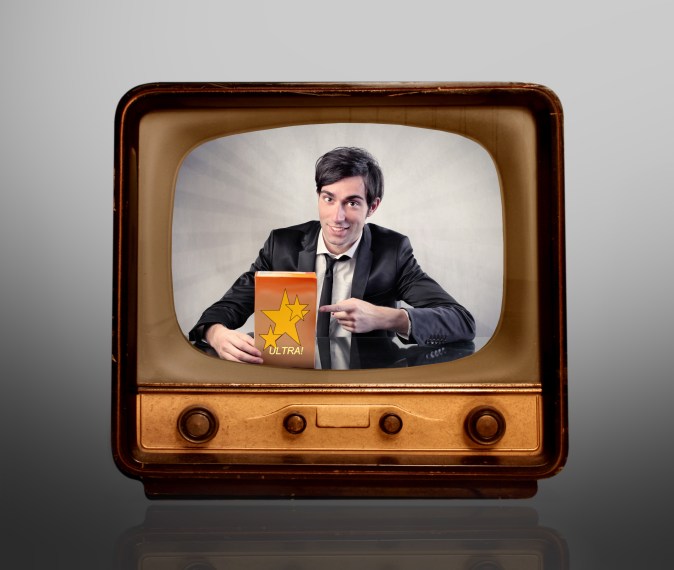
Related image

Source: How Your Brain Forces You to Watch Ads

Douglas Van Praet

Every day we navigate through a cluttered mediaenvironmentof thousands of ads vying for our precious time and limited attention. Studies in North America have shown that on average we are exposed to 3,000 ads per day. If you think you can simply choose to ignore these messages, think again. The best ads are designed to slip through your best defenses.

That’s because every consumer, i.e., human, has an automatic hardwired process for attention and awareness. And our decision to pay attention to stimuli in our environment (such as advertising) is often determined by our emotions, not our thoughts. But here is the challenge for viewers. We don’t choose our emotions. They happen unconsciously. We can only try to choose how to think about our feelings after the fact. So when an advertisement triggers a strong emotion, brands can rise to the top of shopping lists and markets. Because at this stage of human evolution, our feelings influence our thinking way more than our thoughts influence our emotions.

Think of emotions as automated actions programs that guide us through our (media) environment without having to think. Ads that trigger emotions can literally hijack critical thought and conscious awareness. Research has shown that ads processed with high levels of attention are six times more impactful at driving brand choice as compared to ads that aren’t consciously recalled. And cognitivescience experiments corroborate that familiarity breeds affection through mere exposure.

Every second your senses are taking in about 11 million bits of information, but you are only aware of about 40 of those bits. Because our conscious mind is so limited it works on a need to know basis. Think of the human brain as a survival machine vigilantly scanning the environment always making predictions about what will happen next. It works by recognizing and responding to patterns. Cognitive science tells us we don’t notice the world around us when it’s reliably predicted away, when what we are experiencing in the moment matches our intuitive predictions.

However, missed predictions fire a hardwired neuralresponse that biologically commands our attention. This reaction is what neuroscientists technically call the “Oh Shit!” circuit. When we expect something to happen and it does not, a distress signal is released from the anterior cingulate cortex (ACC). The ACC is closely wired to the thalamus, a dual-lobed mass of gray matter beneath the cerebral cortex that plays a critical role in awareness by helping direct conscious attention. Nothing grabs our attention better than the element (and emotion) of surprise. Advertisers do this best by interrupting expected patterns.

In addition, novelty primarily activates the dopaminesystem in our brain, which is responsible for wanting behavior. The dopamine system also has a close relationship with the opioid system of the brain, which produces pleasurable sensations. Since learning is so important to human survival it makes sense that natural selection has also instilled within us feel good emotional responses to novel stimuli.

For instance, the Old Spice brand completely transformed its old-fashioned image thanks to an infectious effort that was brimming with pattern interrupts. This campaign embedded a much cooler and contemporary brand image in the minds of people by introducing the world to the charismatichunk Isaiah Mustafa, or “the man your man can smelllike.”

The magic behind this amazingly impactful campaign is not just the smooth pitchman of Old Spice body wash, but the equally smooth interruptions. The introductory commercial featured a series of seamless transitional pattern interrupts as Isaiah directs the viewer’s attention from unsuspecting scene to scene. He goes from his bathroom, to dropping in on a sailboat, and finally ending up atop a horse. Our brains are surprised and delighted with a blast of dopamine and the pay out of attention again, again, and again. The decision to watch this ad is not a conscious choice. It is the neurobiological equivalent of a forced exposure. Not surprisingly, this campaign generated an amazing 1.4 billion media impressions and a 27% increase in sales during the first 6 months post launch.

Similarly, there are certain stimuli—such as babies, for example—that come prepackaged with positive emotional responses. We don’t consciously choose to find babies adorable. No more than we choose to feel the “aww” reaction that commandeers our thoughts or the impetus to post pictures all over Facebook. The decision to find babies so compelling has been made millions of years ago through evolution and natural selection. If our forbears were not instinctually compassionate towards these innocent helpless creatures, they would have never survived. And our DNAand species would eventually cease to exist.

So when ads add novel twists to these mini mush magnets, attention and engagement soars. Take for instance the computer-generated Evian babies on roller skates who break-danced and back-flipped their way to what the Guinness Book of World Records declared was the most viewed online ad in history. More recently, the most watched ad on YouTube in 2013 was another spot by Evian called “Baby & Me.” This approach featured grown ups dancing while unexpectedly discovering their inner babies dancing in sync as their reflections in a mirror.

Just because you are aware of seeing an ad or buying a brand doesn’t mean you are aware of the unconsciousforces that prompted you to do so. The only way to avoid the trap of becoming glued to these types of advertising is to become aware of the patterns. So much of today’s ads are based on interrupting patterns and generating deep primal emotions because our attention span is an increasingly rare resource. By becoming aware of these patterns your mind will intuitively learns to predict and ignore them in the future and you’ll gain back precious seconds of your busy life.

And remember to push the pause button in your mind and rationally contemplate what draws you to advertising and products in the first place. When it comes to buying brands we often don’t have free will, but we do have free won’t. We can’t help having the feelings tugging at our heartstrings and desires. But we can also rationally reject these suggestions come shopping time if it doesn’t make sense.

For more information check out my book: Unconscious Branding

www.unconsciousbranding.com

https://twitter.com/DouglasVanPraet

Share this:

  • Email a link to a friend (Opens in new window) Email
  • Print (Opens in new window) Print
  • Share on Facebook (Opens in new window) Facebook
  • Share on LinkedIn (Opens in new window) LinkedIn
  • Share on Pinterest (Opens in new window) Pinterest
  • Share on Reddit (Opens in new window) Reddit
  • Share on X (Opens in new window) X
  • Share on Tumblr (Opens in new window) Tumblr
Like Loading...

The Reading Brain

25 Monday Mar 2019

Posted by Donna L. Roberts, PhD in Psychology

≈ Comments Off on The Reading Brain

Does Reading Give Us Access to Other People’s Minds?

Source: The Reading Brain

Jason Tougaw

In her book The Shaking Woman, Siri Hustvedt delights in reading’s power to recast her “internal narrator”:

The closest we can get to . . . entrance into another person’s psyche is through reading. Reading is the mental arena where different thought styles, tough and tender, and the ideas generated by them become more apparent. We have access to a stranger’s internal narrator. Reading, after all, is a way of living inside another person’s words. His or her voice becomes my narrator for the duration. Of course, I retain my own critical faculties, pausing to say to myself, Yes, he’s right about that or No, he’s forgotten this point entirely or That’s a clichéd character, but the more compelling the voice on the page is, the more I lose my own. I am seduced and give myself up to the other person’s words.

 AmirReza Fardad
Source: Source: AmirReza Fardad

Of course, reading doesn’t simply give us access to “another person’s psyche.” Hustvedt argues it’s as close as we get, without the onus to define how close that might be. She describes the capacity of a writer’s voice to become her narrator, to mix with the stream of her consciousness, to give her access to unfamiliar “thought styles” that may lead to new ideas, new ways of understanding the world—and, ultimately, living with it.

Neuroscientist Stanislas Dehaene argues that “the human brain never evolved for reading. . . .  The only evolution was cultural—reading itself progressively evolved toward a form adapted to our brain circuits.” Reading is a human invention, made possible by pre-existing brain systems devoted to representing shapes, sound, and speech.  Nonetheless, Dehaene acknowledges that “an exponential number of cultural forms can arise from the multiple combinations of restricted selection of fundamental traits.” In other words, the malleability of the brain’s representational systems enables the continuous evolution of new forms of representation.

The literary wing of the so-called “neurohumanities” has been busy with researchers and theorists investigating what it might mean to “live inside another’s words” and the variations of reading possible within the physiological constraints Dehaene describes. Three books in particular have made a splash: Lisa Zunshine’s Why We Read Fiction: Theory of Mind and the Novel (2006), Suzanne Keen’s Empathy and the Novel (2007), and Blakey Vermeule’s Why Do We Care about Literary Characters? (2009). The titles of these books represent the clarity of their purposes and their shared interests in so-called “mind reading“–how we know what another person thinks and feels, or how literature trains us to guess.

Zunshine draws on theory of mind research in cognitive science to argue that literary texts satisfy, create, and test “cognitive cravings,” focusing mostly on cognitive capacities to imagine other people’s mental experiences—and the centrality of doing so to navigating social relations. She makes a strong argument that writers like Virginia Woolf and Jane Austen offer a kind of cognitive exercise, pushing us to practice levels of “cognitiive embedment”–for example, she realized that he thought she was laughing inside, and this worried her.” We practice imagining each other imagining each other’s minds.

Keen emphasizes neuro-cognitive research—especially the fMRI studies of Tania Singer—that link empathy to so-called mirror neurons. Responding to influential research on empathy and mirror systems by Tania Singer, she observes that “Singer and her colleagues conclude that empathy is mediated by the part of the pain network associated with pain’s affective qualities, but not its sensory qualities.” In other words, we can imagine other people’s pain, but we can’t feel it. As a result, Keen’s conclusions are multifarious—and not entirely rosy: It may be easier to empathize with fictional characters that real people; novelists (and writers and artists in general) may be more empathetic than the general population; empathetic responses occur more readily in response to negative emotions; empathy does not necessarily lead to altruism or action; and empathy can lead to an aversive response as well as a sympathetic one.

Vermeule focuses on literary characters, as “tools to think with”: “Literary narratives prove us and make us worry about what it is to interact with fictional people. And we should worry, because interacting with fictional people turns out to be a central cognitive preoccupation, one that exposes many of the aspects of how our minds work.” Vermeule’s “fictional people” include characters like Clarissa Dalloway or Humbert Humbert, but also representations of actual people we don’t know like Barack Obama or Caitlyn Jenner and people we do know, even those we’re intimate with. When we imagine other people’s mental lives, we create a kind of productive fiction. Literature, she argues, makes us attentive to forms of representation that shape the ways we live. If we don’t recognize the role of representation in the shaping of social relations we will mistake our mental reproductions of others for “the real properties” of those people, rather than recognizing the cognitive filters that enable us to relate to them.

Some of this research has gotten a lot of press—for example, Natalie Phillips’s fMRI research on reading Jane Austen, featured on NPR, the Huffington Post, and Salon well before it was published in journals. Phillips conducted her research on a fellowship at Stanford, which touted it with the headline “This Is Your Brain on Jane Austen.” Phillips’s research is a multi-disciplinary collaboration—whose process mirrors its premises with a productive irony Austen might appreciate. She’s interested in the limits of attention, studying Austen’s fiction to make arguments about how it challenges readers to adopt multiple perspectives that test those limits.

Samantha Holmsworth, a neuroimaging expert on the project, describes the challenges: “We were all interested, but working at the edge of our capacity to understand even 10 percent of what each other were saying”—an estimate revised to 30% in an academic article that finally fleshed out the results that had received so much preliminary hype. Phillips presents her research with the enthusiasm of hypothesis that requires further study. In short, close reading (attending to questions about form) and pleasure reading (getting lost in a book) involve related but different forms of representation.

The “neural signatures” involved multiple brain systems, and Phillips envisions future research using a “functional connectivity” approach to measure “synchronous patterns that emerge in parallel across the brain and investigates how these connections change as we engage stimulus over time.” Close reading seems to initiate more widespread activity than pleasure reading, including the somatosensory cortex and motor cortex—areas involved in space and movement.

This is nascent research, and its hypotheses are tentative. That seems appropriate. If Jane Austen abhorred anything, it was too definitive a conclusion. In Austen, mind reading is always misreading.


Jason Tougaw is the author of The Elusive Brain: Literary Experiments in the Age of Neuroscience (Yale UP) and The One You Get: Portrait of a Family Organism (Dzanc Books).

In Print:
The Elusive Brain: Literary Experiments in the Age of Neuroscience
Online:
Californica

Share this:

  • Email a link to a friend (Opens in new window) Email
  • Print (Opens in new window) Print
  • Share on Facebook (Opens in new window) Facebook
  • Share on LinkedIn (Opens in new window) LinkedIn
  • Share on Pinterest (Opens in new window) Pinterest
  • Share on Reddit (Opens in new window) Reddit
  • Share on X (Opens in new window) X
  • Share on Tumblr (Opens in new window) Tumblr
Like Loading...

Psychology behind the unfunny consequences of jokes that denigrate

18 Monday Mar 2019

Posted by Donna L. Roberts, PhD in Psychology

≈ Comments Off on Psychology behind the unfunny consequences of jokes that denigrate

Disparagement humor makes a punchline out of a marginalized group. Racist or sexist jokes, for instance, aren’t just harmless fun – psychologists find they can foster discrimination.

A joke isn’t just a joke. elycefeliz, CC BY-NC-ND

Source: Psychology behind the unfunny consequences of jokes that denigrate

Thomas E. Ford  Professor of Social Psychology, Western Carolina University

Q: Why did the woman cross the road?

A: Who cares! What the hell is she doing out of the kitchen?

Q: Why hasn’t NASA sent a woman to the moon?

A: It doesn’t need cleaning yet!

These two jokes represent disparagement humor – any attempt to amuse through the denigration of a social group or its representatives. You know it as sexist or racist jokes – basically anything that makes a punchline out of a marginalized group.

Disparagement humor is paradoxical: It simultaneously communicates two conflicting messages. One is an explicit hostile or prejudiced message. But delivered alongside is a second implicit message that “it doesn’t count as hostility or prejudice because I didn’t mean it — it’s just a joke.”

By disguising expressions of prejudice in a cloak of fun and frivolity, disparagement humor, like the jokes above, appears harmless and trivial. However, a large and growing body of psychology research suggests just the opposite – that disparagement humor can foster discrimination against targeted groups.

Laughing together at others’ expense? Laughing image via www.shutterstock.com.

Jokes that release restraints

Most of the time prejudiced people conceal their true beliefs and attitudes because they fear others’ criticism. They express prejudice only when the norms in a given context clearly communicate approval to do so. They need something in the immediate environment to signal that it is safe to freely express their prejudice.

Disparagement humor appears to do just that by affecting people’s understanding of the social norms – implicit rules of acceptable conduct – in the immediate context. And in a variety of experiments, my colleagues and I have found support for this idea, which we call prejudiced norm theory.

For instance, in studies, men higher in hostile sexism – antagonism against women – reported greater tolerance of gender harassment in the workplace upon exposure to sexist versus neutral (nonsexist) jokes. Men higher in hostile sexism also recommended greater funding cuts to a women’s organization at their university after watching sexist versus neutral comedy skits. Even more disturbing, other researchers found that men higher in hostile sexism expressed greater willingness to rape a woman upon exposure to sexist versus nonsexist humor.

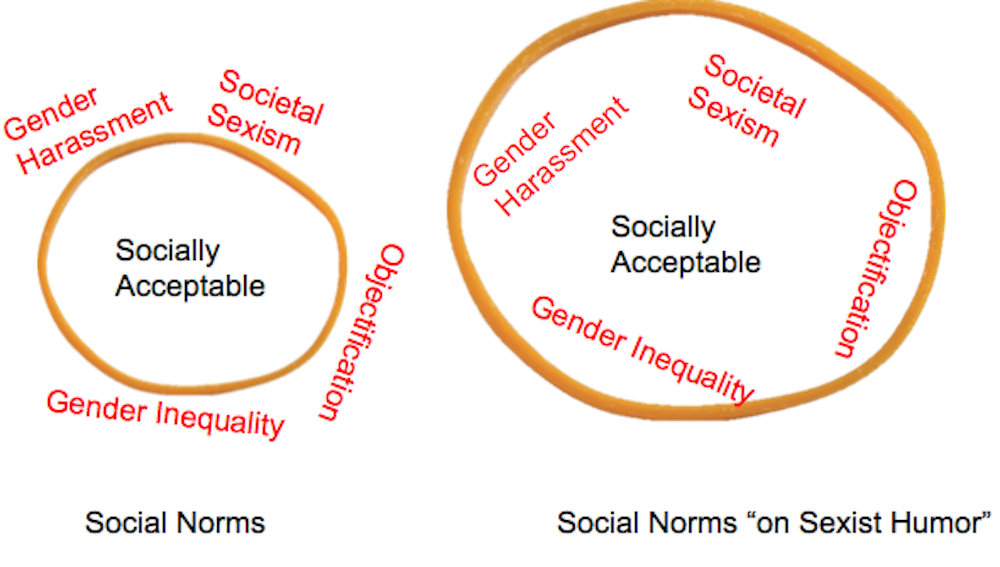
Sexist humor can expand the bounds of what’s an acceptable way to treat women. Thomas E. Ford, CC BY-ND

How did sexist humor make the sexist men in these studies feel freer to express their sexist attitudes? Imagine that the social norms about acceptable and unacceptable ways of treating women are represented by a rubber band. Everything on the inside of the rubber band is socially acceptable; everything on the outside is unacceptable.

Sexist humor essentially stretched the rubber band; it expanded the bounds of acceptable behavior to include responses that would otherwise be considered wrong or inappropriate. So, in this context of expanded acceptability, sexist men felt free to express their antagonism without the risk of violating social norms and facing disapproval from others. Sexist humor signaled that it’s safe to express sexist attitudes.

Who’s the target?

In another study, my colleagues and I demonstrated that this prejudice-releasing effect of disparagement humor varies depending on the position in society occupied by the butt of the joke. Social groups are vulnerable to different degrees depending on their overall status.

Some groups occupy a unique social position of what social psychologists call “shifting acceptability.” For these groups, the overall culture is changing from considering prejudice and discrimination against them completely justified to considering them completely unjustified. But even as society as a whole becomes increasingly accepting of them, many individuals still harbor mixed feelings.

For instance, over the past 60 years or so, the United States has seen a dramatic decline in overt and institutional racism. Public opinion polls over the same period have shown whites holding progressively less prejudiced views of minorities, particularly blacks. At the same time, however, many whites still covertly have negative associations with and feelings toward blacks – feelings they largely don’t acknowledge because they conflict with their ideas about themselves being egalitarian.

Disparagement humor fosters discrimination against social groups – like black Americans – that occupy this kind of shifting ground. In our study, we found that off-color jokes promoted discrimination against Muslims and gay men – which we measured in greater recommended budget cuts to a gay student organization, for instance. However, disparagement humor didn’t have the same effect against two “justified prejudice” groups: terrorists and racists. Social norms are such that people didn’t need to wait for jokes to justify expressions of prejudice against these groups.

I’m not sure I see the humor…. Woman image via www.shutterstock.com.

An important implication of these findings is that disparagement humor can be more or less detrimental based on the social position occupied by the targeted groups. Movies, television programs or comedy clips that humorously disparage groups such as gays, Muslims or women can potentially foster discrimination and social injustice, whereas those that target groups such as racists will have little social consequence.

On the basis of these findings, one might conclude that disparagement humor targeting oppressed or disadvantaged groups is inherently destructive and thus should be censured. However, the real problem might not be with the humor itself but rather with an audience’s dismissive viewpoint that “a joke is just a joke,” even if disparaging. One study found that such a “cavalier humor belief” might indeed be responsible for some of the negative effects of disparagement humor. For prejudiced people, the belief that “a disparaging joke is just a joke” trivializes the mistreatment of historically oppressed social groups – including women, gay people, racial minorities and religious minorities – which further contributes to their prejudiced attitude.

Can you be ‘in on the joke’?

In addition, if one initiates disparagement humor with the positive intention of exposing the absurdity of stereotypes and prejudice, the humor ironically might have the potential to subvert or undermine prejudice.

Chris Rock at the 2016 Oscars. Mario Anzuoni/Reuters

Chris Rock is one comedian well-known for using subversive disparagement humor to challenge the status quo of racial inequality in the United States. For instance, in his opening monologue for the 2016 Academy Awards, he used humor to call attention to racism in the film industry and hierarchical race relations more generally:

I’m here at the Academy Awards, otherwise known as the White People’s Choice Awards. You realize if they nominated hosts, I wouldn’t even get this job. So y’all would be watching Neil Patrick Harris right now.

The problem is that in order for the humor to realize its goal of subverting prejudice, the audience must understand and appreciate that intention. And there’s no guarantee that they will.

Comedian Dave Chappelle described this interpretation problem in an interview with Oprah Winfrey in 2006. He discussed a skit in which he played a pixie who appeared in black face.

There was a good-spirited intention behind it. So then when I’m on the set, and we’re finally taping the sketch, somebody on the set [who] was white laughed in such a way – I know the difference of people laughing with me and people laughing at me – and it was the first time I had ever gotten a laugh that I was uncomfortable with. Not just uncomfortable, but like, should I fire this person?

Chapelle’s intentions with his racially charged comedy were misunderstood. By lampooning the stereotype, he meant to call attention to the ridiculousness of racism. However, it became apparent that not everyone was capable of or motivated to look past Chapelle’s comic stereotypical portrayal to get his subversive intent.

One study found that people higher in prejudice are particularly prone to misinterpret subversive humor. Researchers in the 1970s studied amusement with the television show “All in the Family,” which focused on the bigoted character Archie Bunker. They found that low-prejudiced people perceived “All in the Family” as a satire on bigotry and that Archie Bunker was the target of the humor. They “got” the true subversive intent of the show.

In contrast, high-prejudiced people enjoyed the show for satirizing the targets of Archie’s prejudice. Thus, for high-prejudiced people, the subversive disparagement humor of the show backfired. Rather than calling attention to the absurdity of prejudice, for them the show communicated an implicit prejudiced norm, conveying a tolerance of discrimination.

Psychology research suggests that disparagement humor is far more than “just a joke.” Regardless of its intent, when prejudiced people interpret disparagement humor as “just a joke” intended to make fun of its target and not prejudice itself, it can have serious social consequences as a releaser of prejudice.

Share this:

  • Email a link to a friend (Opens in new window) Email
  • Print (Opens in new window) Print
  • Share on Facebook (Opens in new window) Facebook
  • Share on LinkedIn (Opens in new window) LinkedIn
  • Share on Pinterest (Opens in new window) Pinterest
  • Share on Reddit (Opens in new window) Reddit
  • Share on X (Opens in new window) X
  • Share on Tumblr (Opens in new window) Tumblr
Like Loading...

Does Reading Fiction Really Improve Your Social Ability?

11 Monday Mar 2019

Posted by Donna L. Roberts, PhD in Psychology

≈ Comments Off on Does Reading Fiction Really Improve Your Social Ability?

A meta-analysis looks at the relationship between reading and social ability.

Source: Does Reading Fiction Really Improve Your Social Ability?

Art Markman Ph.D.

As the founding director of the program in the Human Dimensions of Organizations at the University of Texas, I, and my colleagues, use the humanities and the social and behavioral sciences to teach people in workplaces about people.

Within the humanities, literature plays a significant role in what we teach. Reading literature has many potential benefits, including being able to experience things within a work of fiction that you might not have a chance to experience in real life. In addition, by showing you the world through the eyes of other people, literature can give you a window into others’ thoughts or feelings.

Does that experience create increased empathy and ability to understand others?

Psychologists have begun to explore this question by asking whether reading fiction improves individuals’ sensitivity to other people’s beliefs or emotions compared to either not reading or to reading nonfiction. A paper by David Dodell-Feder and Diana Tamir in the November 2018 issue of the Journal of Experimental Psychology: General looked across 14 studies using a technique called meta-analysis to determine whether there is reason to think that reading fiction improves social abilities.

These studies generally had some groups read fiction passages. Most studies had a control group in which people read nonfiction. A few of them had a control group in which the people did not read anything. A few studies compared reading fiction to both a nonfiction and a no-reading control.

Several different measures of social ability were used. Studies looked at people’s ability to read other people’s emotions, to judge their beliefs — and false beliefs, to take other people’s perspectives, and to guess the emotions people would experience in different situations. Some of the measures were self-report measures (“How often do you…”), while others reflected performance in a task.

The authors looked at these studies but also tried to make guesses about how many unpublished studies there are likely to be in which researchers tried to get an effect of reading and failed and thus chose not to submit their paper. When researchers choose not to submit papers that have no effect of a variable, that is called the “file drawer problem.”

Overall, the authors conclude that reading fiction does appear to influence social ability: The effect is small but reliable. In addition, measures of actual performance lead to bigger effects than self-report measures.

If the effects are small, though, are they really worth paying attention to? The authors suggest (and I agree) that they are, for a few reasons:

  • First, if there really is a reliable influence of reading fiction on social ability, then this opens up a productive area for further research. It is hard to recommend to researchers that they explore a phenomenon if the studies are unlikely to work.
  • Second, most of these studies ask participants to read for a short period of time and then demonstrate an influence soon after. Over time, though, people who read a lot of fiction are likely to develop habits to pay attention to the kinds of information that fiction leads them to consider. So, the effects of reading over the long term are likely to be even stronger than what is observed in these studies (though that is something that future research should tackle).

For now, though, keep a good fiction book around and make reading part of your regular routine.

References

Dodell-Feder, D. & Tamir, D.I. (2018). Fiction reading has a small positive impact on social cognition: A meta-analysis. Journal of Experimental Psychology: General, 147(11), 1713-1727.

Art Markman, Ph.D., is a cognitive scientist at the University of Texas whose research spans a range of topics in the way people think.

In Print:
Brain Briefs: Answers to the Most (and Least) Pressing Questions about Your Mind
Online:
University of Texas Bio

Share this:

  • Email a link to a friend (Opens in new window) Email
  • Print (Opens in new window) Print
  • Share on Facebook (Opens in new window) Facebook
  • Share on LinkedIn (Opens in new window) LinkedIn
  • Share on Pinterest (Opens in new window) Pinterest
  • Share on Reddit (Opens in new window) Reddit
  • Share on X (Opens in new window) X
  • Share on Tumblr (Opens in new window) Tumblr
Like Loading...

Emotional Contagions Can Spread Like Wildfire Via YouTube

04 Monday Mar 2019

Posted by Donna L. Roberts, PhD in Psychology

≈ Comments Off on Emotional Contagions Can Spread Like Wildfire Via YouTube

Online viewers mirror the emotions of vlogs posted by YouTubers, a study finds.

Source: Emotional Contagions Can Spread Like Wildfire Via YouTube

Christopher Bergland

Do you subscribe to any YouTube channels? Do you feel especially simpatico with a particular YouTuber? Does the emotional content of a YouTube video blog (vlog) mirror the word-emotion associations used by viewers when writing comments about the video blogger (vlogger) or vlog?

These are the kinds of questions that researchers from Tilburg University in the Netherlands were interested in when they began investigating what happens when “birds of a feather flock together” on YouTube.

Their report, “Multilevel Emotion Transfer on YouTube: Disentangling the Effects of Emotional Contagion and Homophily on Video Audience,” was published online today in the journal Social Psychological and PersonalityScience. According to the researchers, this is the first study to use a video-focused social media source such as YouTube to explore emotional contagion and homophily. The term “homophily” (McPherson et al., 2001) refers to the tendency we have to bond with people like ourselves.

We all know from firsthand experience that being around someone who is anxious can make you anxious; being around someone giddy can make you giddy; being around someone grouchy makes you grouchy; and so on. Surprisingly, until now, there’s been relatively little research on how these types of interpersonal emotional “contagions” spread online via YouTube.

For their recent investigation into emotional contagions and homophily on YouTube, a trio of researchers from Tilburg University led by Hannes Rosenbusch examined 2,083 YouTube vlogs that were selected from a pool of 110 vloggers (a.k.a. “YouTubers”) who had at least 10,000 subscribers.

Rosenbusch et al. used a word-emotion association lexicon to measure the range of emotions expressed in user comments on each particular vlog. The NRC Emotion Lexicon is a comprehensive list of English words and their associations with eight emotions—anger, fear, anticipation, trust, surprise, sadness, joy, and disgust—and, more broadly, with negative emotions and positive emotions.

“We find that video- and channel-level emotions independently influence audience emotions, providing evidence for both contagion and homophily effects. Random slope models suggest that contagion strength varies between YouTube channels for some emotions. However, neither dispositional channel-level emotions nor number of subscribers significantly moderate the strength of contagion effects. The present study highlights that contagion and homophily independently shape emotions in online social networks,” the authors said.

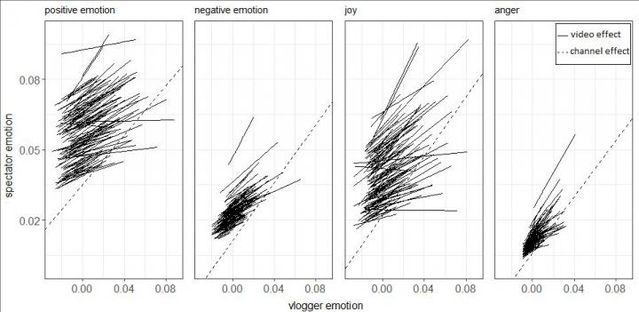
 Rosenbusch et al./Social Psychological and Personality Science (2018)
The video-level effects of vlogger emotions on spectator emotions (solid lines) are estimated within vlogger channels and under consideration of average vlogger emotions (dashed lines). Almost all video-level slopes (99.3 percent) remain positive while varying in size.
Source: Rosenbusch et al./Social Psychological and Personality Science (2018)

As you can see in the diagrams above, there appears to be an immediate (contagion) effect of watching a particular vlog and also a sustained (homophily) effect that leads to YouTuber emotions and viewers’ emotions mirroring each other.

“Our research is a reminder that the people we encounter online influence our everyday emotions — being exposed to happy (or angry) people can make us more happy (or angry) ourselves,” Rosenbusch concluded in a statement.

Follow the Money: Who Were the Highest-Paid YouTubers in 2018?

After reading about the latest research (Rosenbusch et al., 2018) on how emotional contagions can spread like wildfire via YouTube, I was curious to do a deeper dive into the current “birds of a feather flocking together” zeitgeist. Money talks. So, I asked myself: Which YouTubers are creating the biggest “homophily” ripple-effect based on how much income each vlogger generated as a cult-of-personality brand in 2018?

A quick Google search led to a recent Forbes article listing the “Highest-Paid YouTube Stars of 2018.” Based on these rankings, I’ve curated a top-ten list of vlogs from these YouTubers. If you have time, take a few minutes to watch some of these vloggers as a “homophily” guinea pig.

Does watching any of the vlogs below make you feel as if you’ve been exposed to a positive or negative emotional contagion, thus corroborating the latest findings by Rosenbusch and colleagues at Tilburg University?


Forbes List: Top-Ten Highest-Earning YouTube Stars 2018

10. Logan Paul Vlogs (8,688,873 subscribers/2018 Earnings: $14.5 million)


9. PewDiePie (78,487,516 subscribers/2018 Earnings: $15.5 million)


8. Jacksepticeye (21,040,954 subscribers/2018 Earnings: $16 million)


7. Vanoss Gaming (24,023,654 subscribers/2018 Earnings: $17 million)


6. Markiplier (22,702,844 subscribers/2018 Earnings: $17.5 million)


5. Jeffree Star (11,722,503 subscribers/2018 Earnings: $18 million)


4. DanTDM (20,809,880 subscribers/2018 Earnings: $18.5 million)


3. Dude Perfect (37,594,502 subscribers/2018 Earnings: $20 million)


2. Jake Paul (17,624,706 subscribers/2018 Earnings: $21.5 million)


1. Ryan ToysReview (17,585,225 subscribers/2018 Earnings: $22 million)


References

Hannes Rosenbusch, Anthony Evans, and Marcel Zeelenberg. “Multilevel Emotion Transfer on Youtube: Disentangling the Effects of Emotional Contagion and Homophily on Video Audiences” Social Psychological and Personality Science (First published online: December 27, 2018) DOI: 10.1177/1948550618820309

Miller McPherson, Lynn Smith-Lovin, and James M. Cook. “Birds of a Feather: Homophily in Social Networks” Annual Review of Sociology (Volume publication date: August 2001) DOI: 10.1146/annurev.soc.27.1.415

Christopher Bergland is a world-class endurance athlete, coach, author, and political activist.

In Print:
The Athlete’s Way: Sweat and the Biology of Bliss
Online:
www.theathletesway.com

Share this:

  • Email a link to a friend (Opens in new window) Email
  • Print (Opens in new window) Print
  • Share on Facebook (Opens in new window) Facebook
  • Share on LinkedIn (Opens in new window) LinkedIn
  • Share on Pinterest (Opens in new window) Pinterest
  • Share on Reddit (Opens in new window) Reddit
  • Share on X (Opens in new window) X
  • Share on Tumblr (Opens in new window) Tumblr
Like Loading...

Augmented Reality is About to Change Everything.

25 Monday Feb 2019

Posted by Donna L. Roberts, PhD in Psychology

≈ Comments Off on Augmented Reality is About to Change Everything.

4 Things you should know about augmented reality and 3D holograms.


Source: Augmented Reality is About to Change Everything.

Kevin Bennett Ph.D.

For those of us – from aging baby boomers to generation Z – struggling with the question of how to move into the future and hold on to what we love about the past, this brief article offers some insight into the newest technology that will very soon impact all aspects of life.

The arrival of augmented reality (AR) seems inevitable ever since the launch of Google Glass in 2013. Since then, developers have been racing to deliver wearable devices with powers originally classified as science fiction.  These capabilities include augmenting reality with your own physical world, projecting high resolution 3D images, and manipulating those images with your hands.

1. What is Augmented Reality?

Augmented Reality (AR) is the integration of digital information with the user’s environment in real time.  Think Pokemon Go and Snapchap. In contrast, Virtual Reality (VR) – which has been around for some time  – creates a totally artificial environment.

2. AR will arrive soon.

Tech futurists Scoble and Israel (2017) predict that more people will be using head mounted displays than hand held devices (smart phones) by 2025.

Microsoft Hololens
Source: Microsoft Hololens

If this transformation seems impossibly fast, keep in mind that two of the top “revolutionary” ideas of TechCrunch 2006 were the BlackBerry Pearl and the iPod Shuffle – two devices that are have been mostly forgotten in less than a decade.   Computer scientists have a theory that predicts this change.  The idea, introduced in 1965, that computer power doubles every two years at the same cost is known as Moore’s Law.

3. Is this a big deal?

According to Touchstone Research, AR is poised to swallow personal computing as we know it in the near future.  By their count, over 40 AR headset and glasses products are already on the market or in the advanced stages of development.  The race includes established companies like Microsoft, Google, and Apple, in addition to dozens of well-funded start-ups.  Estimates of the total market size of the AR business by 2025 range from $80 and $162 billion.  By comparison, the current global market size for television sets is roughly $80 billion.

4. Imagine the Possibilities!

AR promises to be a tool that provides a quantum leap in psychology education and clinical applications. Here are a few examples:

HoloHear App for Microsoft HoloLens
Source: HoloHear App for Microsoft HoloLens

AR for the Deaf: HoloHear is a HoloLens application that translates speech into sign language.  When deaf people run the app, they see an avatar using sign language as well as subtitles.

AR for Autism:  AR systems are now being used to encourage autistic children toward more imaginative play.  Autism Speaks has funded a project to teach autistic teens about social skills in job interview settings and meetings with new people.

Other applications include an AR treatment for phantom limb pain, overlays for surgeries, and post-stroke hand rehabilitation.  The fact that the user can actually see his own hands and the real world can help in exposure therapies for several types of psychological problems, such as spider and cock-roach phobias.

We are only at the tip of the iceberg with this new technology.

References

Scoble, R. & Israel, S. (2017). The fourth transformation: How augmented reality and artificial intelligence change everything. Patrick Brewster Press.

Kevin Bennett, Ph.D., is a social-personality psychologist, Assistant Teaching Professor, and Director of the Personality and Human Performance Lab (PHPL) at The Pennsylvania State University, Beaver Campus.

In Print:
Jealousy’s Design:: Maladaptive Trait or Psychological Solution?
Online:
Bio/Research/Teaching

Share this:

  • Email a link to a friend (Opens in new window) Email
  • Print (Opens in new window) Print
  • Share on Facebook (Opens in new window) Facebook
  • Share on LinkedIn (Opens in new window) LinkedIn
  • Share on Pinterest (Opens in new window) Pinterest
  • Share on Reddit (Opens in new window) Reddit
  • Share on X (Opens in new window) X
  • Share on Tumblr (Opens in new window) Tumblr
Like Loading...

Gamers Have an Advantage in Learning

18 Monday Feb 2019

Posted by Donna L. Roberts, PhD in Psychology

≈ Comments Off on Gamers Have an Advantage in Learning

People who play video games for more than 15 hours per week performed better in learning tasks and showed increased activity in brain areas associated with memory than non-gamers, a new study reports.

Source: Gamers Have an Advantage in Learning

Neuroscience NewsNEUROSCIENCE NEWS

Source: RUB.

Neuropsychologists of the Ruhr-Universität Bochum let video gamers compete against non-gamers in a learning competition. During the test, the video gamers performed significantly better and showed an increased brain activity in the brain areas that are relevant for learning. Prof Dr Boris Suchan, Sabrina Schenk and Robert Lech report their findings in the journal Behavioural Brain Research.

The weather prediction task

The research team studied 17 volunteers who – according to their own statement – played action-based games on the computer or a console for more than 15 hours a week. The control group consisted of 17 volunteers who didn’t play video games on a regular basis. Both teams did the so-called weather prediction task, a well-established test to investigate the learning of probabilities. The researchers simultaneously recorded the brain activity of the participants via magnetic resonance imaging.

The participants were shown a combination of three cue cards with different symbols. They should estimate whether the card combination predicted sun or rain and got a feedback if their choice was right or wrong right away. The volunteers gradually learned, on the basis of the feedback, which card combination stands for which weather prediction. The combinations were thereby linked to higher or lower probabilities for sun and rain. After completing the task, the study participants filled out a questionnaire to sample their acquired knowledge about the cue card combinations.

Video gamers better with high uncertainties

The gamers were notably better in combining the cue cards with the weather predictions than the control group. They fared even better with cue card combinations that had a high uncertainty such as a combination that predicted 60 percent rain and 40 percent sunshine.

Image shows a gaming controller.

The research team studied 17 volunteers who – according to their own statement – played action-based games on the computer or a console for more than 15 hours a week. NeuroscienceNews.com image is in the public domain.

The analysis of the questionnaire revealed that the gamers had acquired more knowledge about the meaning of the card combinations than the control group. “Our study shows that gamers are better in analysing a situation quickly, to generate new knowledge and to categorise facts – especially in situations with high uncertainties,” says first author Sabrina Schenk.

This kind of learning is linked to an increased activity in the hippocampus, a brain region that plays a key role in learning and memory. “We think that playing video games trains certain brain regions like the hippocampus”, says Schenk. “That is not only important for young people, but also for older people; this is because changes in the hippocampus can lead to a decrease in memory performance. Maybe we can treat that with video games in the future.”

ABOUT THIS NEUROSCIENCE RESEARCH ARTICLE

Funding: Funded by German Research Foundation.

Source: Boris Suchan – RUB
Image Source: NeuroscienceNews.com image is in the public domain.
Original Research: Abstract for “Games people play: How video games improve probabilistic learning” by Schenk S, Lech RK, and Suchan B in Behavioral Brain Research. Published online August 24 2017 doi:10.1016/j.bbr.2017.08.027

Share this:

  • Email a link to a friend (Opens in new window) Email
  • Print (Opens in new window) Print
  • Share on Facebook (Opens in new window) Facebook
  • Share on LinkedIn (Opens in new window) LinkedIn
  • Share on Pinterest (Opens in new window) Pinterest
  • Share on Reddit (Opens in new window) Reddit
  • Share on X (Opens in new window) X
  • Share on Tumblr (Opens in new window) Tumblr
Like Loading...

Visual Brain Drawn to Meaning, Not What Stands Out

11 Monday Feb 2019

Posted by Donna L. Roberts, PhD in Psychology

≈ Comments Off on Visual Brain Drawn to Meaning, Not What Stands Out

Researchers report our visual attention pays most attention to parts of a scene that have meaning to us, not the parts that stick out.


Source: Visual Brain Drawn to Meaning, Not What Stands Out

Neuroscience NewsNEUROSCIENCE NEWS

Source: UC Davis.

Our visual attention is drawn to parts of a scene that have meaning, rather than to those that are salient or “stick out,” according to new research from the Center for Mind and Brain at the University of California, Davis. The findings, published Sept. 25 in the journal Nature Human Behavior, overturn the widely-held model of visual attention.

“A lot of people will have to rethink things,” said Professor John Henderson, who led the research. “The saliency hypothesis really is the dominant view.”

Our eyes we perceive a wide field of view in front of us, but we only focus our attention on a small part of this field. How do we decide where to direct our attention, without thinking about it?

The dominant theory in attention studies is “visual salience,” Henderson said. Salience means things that “stick out” from the background, like colorful berries on a background of leaves or a brightly lit object in a room.

Saliency is relatively easy to measure. You can map the amount of saliency in different areas of a picture by measuring relative contrast or brightness, for example.

Henderson called this the “magpie theory” our attention is drawn to bright and shiny objects.

“It becomes obvious, though, that it can’t be right,” he said, otherwise we would constantly be distracted.

Making a Map of Meaning

Henderson and postdoctoral researcher Taylor Hayes set out to test whether attention is guided instead by how “meaningful” we find an area within our view. They first had to construct “meaning maps” of test scenes, where different parts of the scene had different levels of meaning to an observer.

To make their meaning map, Henderson and Hayes took images of scenes, broke them up into overlapping circular tiles, and submitted the individual tiles to the online crowdsourcing service Mechanical Turk, asking users to rate the tiles for meaning.

Image shows photos and heat maps.

Conventional thinking on visual attention is that our attention is automatically drawn to “salient” objects that stand out from the background. Researchers at the UC Davis Center for Mind and Brain mapped hundreds of images (examples far left) by eye tracking (center left), “meaning” (center right) and “salience” or outstanding features (far left). Statistical analysis shows that eyes are drawn to “meaningful” areas, not necessarily those that are most outstanding. NeuroscienceNews.com image is credited to John Henderson and Taylor Hayes, UC Davis.

By tallying the votes of Mechanical Turk users they were able to assign levels of meaning to different areas of an image and create a meaning map comparable to a saliency map of the same scene.

Next, they tracked the eye movements of volunteers as they looked at the scene. Those eyetracks gave them a map of what parts of the image attracted the most attention. This “attention map” was closer to the meaning map than the salience map, Henderson said.

In Search of Meaning

Henderson and Hayes don’t yet have firm data on what makes part of a scene meaningful, although they have some ideas. For example, a cluttered table or shelf attracted more attention than a highly salient splash of sunlight on a wall. With further work, they hope to develop a “taxonomy of meaning,” Henderson said.

Although the research is aimed at a fundamental understanding of how visual attention works, there could be some near-term applications, Henderson said, for example in developing automated visual systems that allow computers to scan security footage or to automatically identify or caption images online.

ABOUT THIS NEUROSCIENCE RESEARCH ARTICLE

Funding: The work was supported by the National Science Foundation.

Source: Andy Fell – UC Davis
Image Source: NeuroscienceNews.com image is credited to John Henderson and Taylor Hayes, UC Davis.
Original Research: Abstract for “Meaning-based guidance of attention in scenes as revealed by meaning maps” by John M. Henderson & Taylor R. Hayes in Nature Human Nature. Published online September 25 2017 doi:10.1038/s41562-017-0208-0

Share this:

  • Email a link to a friend (Opens in new window) Email
  • Print (Opens in new window) Print
  • Share on Facebook (Opens in new window) Facebook
  • Share on LinkedIn (Opens in new window) LinkedIn
  • Share on Pinterest (Opens in new window) Pinterest
  • Share on Reddit (Opens in new window) Reddit
  • Share on X (Opens in new window) X
  • Share on Tumblr (Opens in new window) Tumblr
Like Loading...
← Older posts
Newer posts →
Ken Heller on

Enter your email address to follow this blog and receive notifications of new posts by email.

Join 4,624 other subscribers

Media Psychology

  • RSS - Posts
  • RSS - Comments

Blog Stats

  • 115,864 hits

Archives

  • December 2020 (3)
  • November 2020 (4)
  • September 2020 (1)
  • June 2020 (1)
  • April 2020 (1)
  • March 2020 (1)
  • February 2020 (3)
  • January 2020 (4)
  • December 2019 (8)
  • November 2019 (1)
  • October 2019 (5)
  • September 2019 (10)
  • August 2019 (7)
  • July 2019 (4)
  • June 2019 (3)
  • May 2019 (5)
  • April 2019 (8)
  • March 2019 (7)
  • February 2019 (4)
  • January 2019 (5)
  • December 2018 (4)
  • November 2018 (4)
  • October 2018 (5)
  • September 2018 (8)
  • August 2018 (7)
  • July 2018 (4)
  • June 2018 (3)
  • May 2018 (6)
  • April 2018 (4)
  • March 2018 (6)
  • February 2018 (6)
  • January 2018 (6)
  • December 2017 (4)
  • November 2017 (5)
  • October 2017 (5)
  • September 2017 (5)
  • August 2017 (5)
  • July 2017 (5)
  • June 2017 (5)
  • May 2017 (2)
  • April 2017 (2)
  • March 2017 (5)
  • February 2017 (4)
  • January 2017 (7)
  • December 2016 (3)
  • November 2016 (2)
  • October 2016 (4)
  • September 2016 (2)
  • August 2016 (2)
  • July 2016 (3)
  • June 2016 (5)
  • May 2016 (6)
  • April 2016 (4)
  • March 2016 (2)
  • February 2016 (1)
  • January 2016 (1)
  • December 2015 (1)
  • November 2015 (2)
  • January 2015 (1)
  • November 2014 (1)
  • September 2014 (1)
  • August 2014 (1)
  • July 2014 (4)
  • May 2014 (1)
  • April 2014 (1)
  • March 2014 (2)
  • February 2014 (2)
  • January 2014 (2)
  • December 2013 (4)
  • November 2013 (2)
  • October 2013 (1)
  • September 2013 (1)
  • August 2013 (4)
  • July 2013 (1)
  • June 2013 (1)
  • April 2013 (1)
  • March 2013 (4)
  • February 2013 (3)
  • January 2013 (5)
  • December 2012 (4)
  • November 2012 (6)

Addiction Advertising Agenda Setting Al-Jazeera Associated Press Behavioralism Bernays Cartoons Causality Cognitive Correlation Cultivation Theory Digital Immigrants Digital Natives Ellul Facebook Fallacious Arguments Film Framing Gaming Gerbner Giles Google Greenwald ICT Identity Imagery Impact of ICT Influence Ingress Internet Internet.org Journalism Marketing McCombs McLuhan Mean World Sydrome Media Media Effects Media Literacy Media Psychology Mobile Computing Mobile Phones Moscow Olympics Neural Pathways news coverage Operant Conditioning Persuasive Technology Physiological Psychology Pinterest Potter Prensky Privacy Propaganda Psychological Effects Psychological Operations Psychology Public Diplomacy Public Relations Quotes Sexism Skinner Smartphone Social Change Social Identity Social Media Social Networks Social Psychology Sports Taylor Technology The Engineering of Consent Transmedia Twitter Walking Dead

RSS The Amplifier – APA Div. 46 Newsletter

  • The Legend of Zelda: Echoes of Wisdom as a Feminist Breakthrough and Contradiction
  • Digital Mourning: Grief Expression on Social Media
  • Book Review: Black Film Through a Psychodynamic Lens
  • The History of (Media) Multitasking Research
  • AI and Mental Health: Can Chatbots and Digital Coaches Bridge the Gap for Perinatal Mental Health Support?
  • To Infinity and Beyond: Best Practices for Data-informed Telemental Intensive Outpatient Programs
  • Editor’s Column: Authentically Inclusive Representation in Film and Television
  • President’s Column: Charting the Future of Media Psychology: Division 46 at APA 2025
  • Past President’s Column: Division 46 Announcements
  • TikTok and Self-Diagnosis: What Clinicians Need to Know

RSS APA Div. 46 Media Psychology and Technology Facebook Feed – Come check it out!

  • Kids Are Using Minecraft To Design A More Sustainable World
  • Home – UsMeU
  • Huggable Robot Befriends Girl in Hospital
  • Lifelong learning is made possible by recycling of histones, study says
  • Synthetic Love: Can a Human Fall in Love With a Robot? –
  • Today’s Photo:
  • Dr. Joanne Broder Sumerson
  • Could Storytelling Be the Secret Sauce to STEM Education?
  • Google driverless cars were in 11 accidents, but officer, it wasn’t their fault
  • All-But-Dissertation Survival Guide

RSS Changing Minds

  • An error has occurred; the feed is probably down. Try again later.

RSS Media Smarts

  • Outcome Chart – New Brunswick – Digital Production 120
  • Outcome Chart – New Brunswick – Dramatic Arts 120 (Grade 12)
  • Outcome Chart – New Brunswick – Dramatic Arts 110 (Grade 11)
  • Outcome Chart – New Brunswick – Graphic Art and Design 120 (Grade 12)
  • Outcome Chart – New Brunswick – Graphic Art and Design 110 (Grade 11)
  • Outcome Chart – New Brunswick – Film 110 (Grade 11)
  • Outcome Chart – New Brunswick – Popular Music 120 (Grade 12)
  • Outcome Chart – New Brunswick – Music 122 (Grade 12)
  • Outcome Chart – New Brunswick – Music 112 (Grade 11)
  • Outcome Chart – New Brunswick – Music 9

RSS Adam Curtis

  • HYPERNORMALISATION
  • TRAILER TRASH
  • HAPPIDROME - Part One
  • THE VEGETABLES OF TRUTH
  • NOW THEN
  • SUSPICIOUS MINDS
  • ONE'S PRIVATE LIFE
  • WHAT THE FLUCK!
  • THE BABY AND THE BAATH WATER
  • BUGGER

RSS Media Psychology Blog

  • does resurge work : Resurge weight reduction supplement is a...

RSS The Psych Files

  • The Psych Files – Most Popular Episodes
  • Psych Files Episodes on Youtube

RSS The Media Zone

  • And He Knew All the Words
  • Sexy, Dangerous Women Are Everywhere
  • In Praise of Older Women
  • "Commercial Creep"—I Hate Commercials and You Should Too
  • How A Laundry Detergent Commercial Saved the World
  • Jodie Foster: To Come Out Lesbian Or Let Sleeping Rumors Lie
  • Why No Photos of the Slaughtered Newtown Children?
  • HBO's "The Newsroom": Sorkin Talks Truth To Stupid
  • Dorothy Sandusky: A Woman Who Saw Nothing
  • Celebrity - The Incest of Actors, Politicians, and Journalists.

RSS The Media Psychology Effect

  • The Importance of Synesthesia in Artificial Intelligence
  • Media and Communications Psychology in the 21st Century
  • Media Psychology Is a New-Collar Profession
  • The Psychology of Crowds
  • AI Is Reshaping Workers as Well as Work
  • Understanding the Eye in AI
  • Where's Smokey the Bear When You Need Him?
  • Personalized AI and the Future of Teaching and Learning
  • The Future of Learning and Education Is Already in Your Pocket
  • Psychology and the Importance of Perfect Practice

RSS On The Media

  • An error has occurred; the feed is probably down. Try again later.

Create a free website or blog at WordPress.com.

Privacy & Cookies: This site uses cookies. By continuing to use this website, you agree to their use.
To find out more, including how to control cookies, see here: Cookie Policy
  • Subscribe Subscribed
    • Media Psychology
    • Join 555 other subscribers
    • Already have a WordPress.com account? Log in now.
    • Media Psychology
    • Subscribe Subscribed
    • Sign up
    • Log in
    • Report this content
    • View site in Reader
    • Manage subscriptions
    • Collapse this bar
 

Loading Comments...
 

    %d